
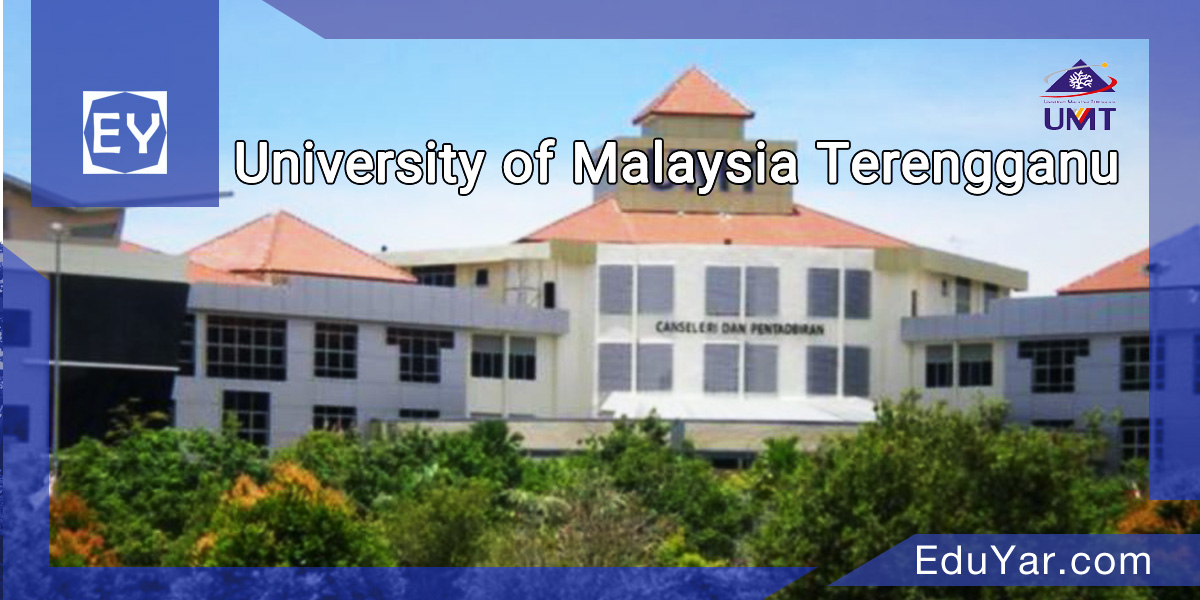
Introduction to University of Malaysia Terengganu
Located along the scenic coast of the South China Sea in Kuala Terengganu, the University of Malaysia Terengganu (UMT) is a prominent public university in Malaysia. Established as a fully autonomous institution on February 1, 2007, UMT has a rich history that dates back to its origins as the Centre for Fisheries and Marine Science under Universiti Pertanian Malaysia (UPM) in the 1970s.
UMT is renowned for its focus on marine science and oceanography, leveraging its strategic coastal location to offer specialized programs and research opportunities in these fields. The university’s motto, “Ocean of Discoveries for Global Sustainability,” reflects its commitment to advancing knowledge and promoting sustainable practices.
Academic Excellence and Research
UMT offers a wide range of undergraduate and postgraduate programs across various disciplines, including marine science, fisheries, aquaculture, environmental science, and more. The university is home to several research institutes, such as the Institute of Oceanography and Environment (INOS) and the Institute of Tropical Aquaculture (AKUATROP), which contribute to cutting-edge research and innovation¹.
Campus Life and Facilities
The UMT campus provides a vibrant and supportive environment for students, with modern facilities, including state-of-the-art laboratories, libraries, and recreational amenities. Students can engage in various extracurricular activities, clubs, and societies, fostering a well-rounded university experience.
Global Connections and Sustainability
UMT actively collaborates with international institutions and organizations, enhancing its global reach and impact. The university is dedicated to sustainability, integrating sustainable practices into its operations and research initiatives to address global environmental challenges.
UMT Ranking 2024
The University of Malaysia Terengganu (UMT) has made notable strides in the academic world. In the 2024 rankings, UMT is recognized for its excellence in various fields, particularly in marine science and oceanography. While specific global rankings for UMT in 2024 are not readily available, the university continues to be highly regarded within Malaysia and Southeast Asia for its specialized programs and research initiatives.
UMT structure, programs and faculties
The University of Malaysia Terengganu (UMT) has a well-structured academic framework designed to support a wide range of programs and faculties. Here's an overview of UMT's structure, programs, and faculties for 2024:
- University Structure
UMT is organized into several faculties, institutes, and centers, each focusing on specific areas of study and research. This structure allows for specialized education and research opportunities, particularly in marine and environmental sciences. - Faculties and Programs
Faculty of Science and Marine Environment
Programs: Marine Biology, Oceanography, Environmental Science, Biotechnology
Focus: Research and education in marine ecosystems, conservation, and sustainable practices.
Faculty of Fisheries and Food Science
-Programs: Aquaculture, Fisheries Science, Food Technology
-Focus: Sustainable fisheries, aquaculture practices, and food safety.
Faculty of Business, Economics, and Social Development
-Programs: Business Administration, Economics, Social Development
-Focus: Business management, economic policies, and social development strategies.
Faculty of Maritime Studies
-Programs: Maritime Technology, Nautical Science, Maritime Management
-Focus: Maritime industry, navigation, and management of maritime resources.
Faculty of Ocean Engineering Technology and Informatics
-Programs: Ocean Engineering, Information Technology, Software Engineering
-Focus: Engineering solutions for marine environments, IT applications in oceanography.
- Research Institutes and Centers
-Institute of Oceanography and Environment (INOS)
-Conducts advanced research in oceanography and environmental science.
-Institute of Tropical Aquaculture (AKUATROP)
-Focuses on tropical aquaculture and sustainable fish farming practices. - Campus Facilities
UMT offers modern facilities to support both academic and extracurricular activities, including:
- State-of-the-art laboratories and research centers
- Comprehensive libraries with extensive resources
- Recreational facilities for sports and leisure activities
UMT's commitment to sustainability and global collaboration is evident in its programs and research initiatives, making it a leading institution in marine and environmental sciences.
UMT's entry requirements for international students
For international students looking to apply to the University of Malaysia Terengganu (UMT) in 2024, here are the key entry requirements:
- Academic Requirements
Undergraduate Programs:
-High School Certificate: Equivalent to the Malaysian Higher School Certificate (STPM) or A-Levels.
- Minimum Grades: Specific grade requirements vary by program, but generally, a good academic standing is expected. - Postgraduate Programs:
- Bachelor’s Degree: A recognized bachelor’s degree in a relevant field.
- Minimum GPA: Typically a minimum GPA of 2.75 on a 4.0 scale, though this can vary by program. - English Language Proficiency
International students must demonstrate proficiency in English. Accepted tests and minimum scores include:
- TOEFL: Minimum score of 550 (paper-based) or 80 (internet-based).
- IELTS: Minimum overall band score of 6.0.
- MUET: Minimum band score of 4. - Application Process
1. Application Form: Complete the online application form available on the UMT admissions website.
2. Supporting Documents: Submit certified copies of academic transcripts, English proficiency test scores, and other relevant documents.
3. Application Fee: Pay the non-refundable application fee as specified by UMT. - Additional Requirements
- Statement of Purpose: A written statement outlining your academic and career goals.
- Letters of Recommendation: Typically required for postgraduate programs.
- Financial Proof: Evidence of sufficient financial resources to cover tuition fees and living expenses. - Health Requirements
- Medical Examination: International students must undergo a medical examination and submit a health report as part of the application process. - Visa Requirements
- Student Visa: Upon acceptance, students must apply for a student visa through the Malaysian Immigration Department.
These requirements ensure that international students are well-prepared for their studies at UMT.
UMT's entry fees For international students
For international students applying to the University of Malaysia Terengganu (UMT) in 2024, the entry fees include a non-refundable application fee of RM 150 (approximately USD 37).
Additionally, the tuition fees for international students start at around .USD 2,500 per year. This can vary depending on the specific program and level of study.
If you need more detailed information about specific programs or other fees, you might want to check UMT's official international student page or contact their admissions office directly.
Scholarships & Funding at UMT
At Universiti Malaysia Perlis (UniMAP), there are various scholarships and funding options available for international students. Here are some key points:
- Scholarships & Funding
1. Merit-Based Scholarships: These are awarded based on academic excellence and other achievements.
2. Need-Based Financial Aid: Available for students who demonstrate financial need.
3. Research Grants: Offered to postgraduate students engaged in specific research projects. - Entry Fees
For international students, the entry fees include:
- Application Fee: RM 150 (approximately USD 37).
- Tuition Fees: Vary by program, but generally start at around RM 3,520 per year (excluding accommodation fees).