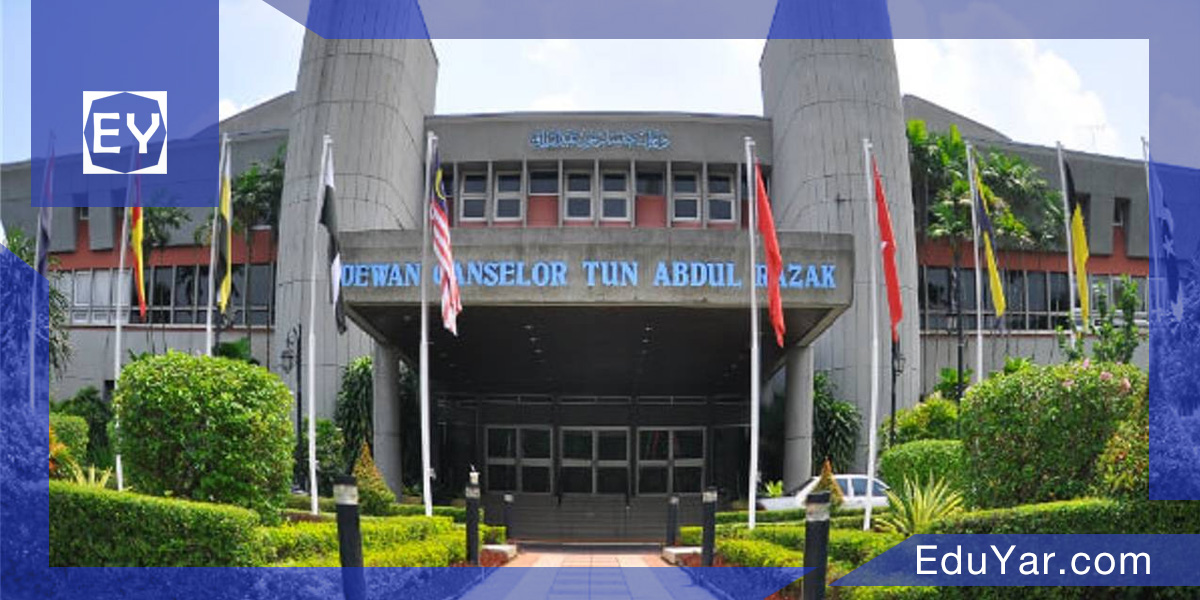

The global financial industry is undergoing rapid transformation, and FinTech (Financial Technology) along with Blockchain Technologies are at the forefront of this revolution. From mobile banking apps to cryptocurrency platforms, these technologies are reshaping how we conduct financial transactions, invest, and manage assets. For Arab students seeking a globally relevant education in these fields, choosing to study in Malaysia offers the perfect combination of high-quality education, affordable tuition, and strong industry connections.
Why Study FinTech & Blockchain in Malaysia?
Malaysia is one of Southeast Asia’s most dynamic hubs for digital finance and innovation. Its government actively promotes the FinTech ecosystem through regulatory sandboxes, tax incentives, and innovation funds. Universities in Malaysia have responded to this demand by developing specialized degree programs that prepare students for careers in the digital economy.
- Affordable tuition: Compared to Western countries, Malaysia offers world-class programs at a fraction of the cost.
- Industry links: Close collaborations with banks, fintech startups, and blockchain companies ensure students gain practical experience.
- English-taught programs: Most programs are fully taught in English, making them ideal for Arab students.
- Strategic location: Proximity to major financial hubs such as Singapore and Hong Kong.
- Multicultural environment: Welcoming to Muslim students, with halal food and prayer facilities readily available.
Understanding FinTech & Blockchain
FinTech refers to the application of technology to improve financial services and processes. This includes mobile payments, peer-to-peer lending, robo-advisors, digital wallets, and regtech (regulatory technology). Blockchain, on the other hand, is a distributed ledger technology that ensures secure, transparent, and tamper-proof transactions. Together, they form the backbone of innovations like cryptocurrency, decentralized finance (DeFi), and smart contracts.
Key Areas of Study:
- Digital Banking
- Cryptocurrency and Token Economics
- Blockchain Development and Architecture
- Cybersecurity in Financial Services
- Data Analytics for Finance
- Regulatory and Compliance Frameworks
- FinTech Entrepreneurship
Top Malaysian Universities Offering FinTech & Blockchain Programs
Here’s a table of top Malaysian universities offering specialized programs in FinTech and Blockchain Technologies:
| University | Program | Degree Level | Language of Instruction | City |
|---|---|---|---|---|
| Asia Pacific University (APU) | Bachelor of Science (Hons) in Financial Technology | Undergraduate | English | Kuala Lumpur |
| Multimedia University (MMU) | Master of Science in Financial Engineering & Blockchain | Postgraduate | English | Cyberjaya |
| Universiti Malaya (UM) | Master of Business Administration – FinTech Specialization | Postgraduate | English | Kuala Lumpur |
| INTI International University | Bachelor of Business (Hons) in FinTech and Digital Banking | Undergraduate | English | Nilai |
| University of Kuala Lumpur (UniKL) | Diploma in Blockchain Technology | Diploma | English | Kuala Lumpur |
Program Structure & Curriculum
Programs in FinTech & Blockchain in Malaysia are designed to balance technical skills, business knowledge, and regulatory understanding.
Core Modules:
- Introduction to Financial Technology
- Principles of Blockchain Technology
- Digital Payment Systems
- Cryptocurrency and Digital Assets
- Financial Data Analytics
- FinTech Regulation & Compliance
Specialized Modules:
- Decentralized Finance (DeFi)
- Smart Contracts Development
- Artificial Intelligence in Finance
- Financial Cybersecurity
- Big Data for Financial Decision Making
Capstone Project:
Students are often required to complete a capstone project, which could involve developing a blockchain application, creating a digital payment prototype, or conducting a market analysis for a new fintech product.
Admission Requirements for Arab Students
While each university may have its own specific entry requirements, here are the general guidelines:
- Undergraduate: High school certificate (science, mathematics, or business stream preferred).
- Postgraduate: Bachelor’s degree in finance, computer science, engineering, or a related field.
- English Proficiency: IELTS 6.0–6.5 or TOEFL equivalent; some universities accept MOI (Medium of Instruction) letters.
- Statement of Purpose (SOP) explaining your interest in FinTech and Blockchain.
- Relevant work experience (for some postgraduate programs).
Tuition Fees in Malaysia
Studying in Malaysia is more cost-effective compared to Europe, the US, or Australia. Here’s an overview:
Average Tuition Fees:
- Undergraduate: USD 4,000 – 7,000 per year
- Postgraduate: USD 5,000 – 9,000 per year
- Diploma: USD 2,500 – 4,000 per year
Living Costs:
- Accommodation: USD 120–250/month
- Food: USD 100–200/month
- Transportation: USD 20–50/month
- Utilities & Internet: USD 30–60/month
Scholarships for Arab Students
- Malaysian International Scholarship (MIS): For high-achieving students worldwide.
- University-specific scholarships such as APU Merit Awards and MMU Excellence Scholarships.
- Industry-sponsored awards from banks and tech companies.
- Research assistantships for blockchain and fintech projects.
Step-by-Step Application Process for Arab Students
Applying to Malaysian universities for FinTech and Blockchain programs is a clear and structured process. Here’s how to proceed:
- Choose Your Program: Research universities, tuition fees, and program content to find your ideal match.
- Prepare Documents: Academic transcripts, passport copy, passport-sized photos, and English proficiency test results (IELTS/TOEFL or MOI letter).
- Write a Strong Statement of Purpose (SOP): Explain your motivation to study in Malaysia and your interest in FinTech & Blockchain.
- Apply Online: Most universities have an online portal for application submission.
- Receive an Offer Letter: Conditional or unconditional acceptance based on meeting requirements.
- Apply for a Student Visa: Submit documents through Education Malaysia Global Services (EMGS).
- Pay Initial Fees: Secure your place by paying the registration fee or part of the tuition fee.
- Travel to Malaysia: Arrange accommodation and attend university orientation.
Visa Requirements for Arab Students
Arab students need a student pass (visa) to study in Malaysia. The requirements typically include:
- Offer letter from a recognized Malaysian university
- Valid passport (minimum 12 months validity)
- Completed visa application form
- Certified academic transcripts and certificates
- English test results (if applicable)
- Medical examination report (before and after arrival)
- Passport-sized photographs
- Visa processing fee
Processing usually takes 4–6 weeks, so it’s best to apply early.
Life in Malaysia for Arab Students
Malaysia offers a safe, affordable, and culturally welcoming environment for Arab students. The multicultural society, English-medium education, and halal-friendly lifestyle make it an attractive study destination.
Advantages for Arab Students:
- Halal food available everywhere, even in campus cafeterias
- Plenty of mosques and prayer facilities
- Affordable living costs compared to Western countries
- Warm weather similar to many Arab countries
Popular Cities for FinTech & Blockchain Studies:
- Kuala Lumpur: Asia Pacific University (APU), Universiti Malaya (UM)
- Cyberjaya: Multimedia University (MMU)
- Nilai: INTI International University
- Kuala Lumpur City Centre: University of Kuala Lumpur (UniKL)
Estimated Monthly Living Costs:
- Accommodation: USD 120–250
- Food: USD 100–200
- Transportation: USD 20–50
- Utilities & Internet: USD 30–60
- Miscellaneous: USD 50–100
Industry Partnerships and Internship Opportunities
One of the biggest advantages of studying FinTech & Blockchain in Malaysia is the close link between universities and industry. Many programs include internships with:
- Major banks like Maybank and CIMB
- FinTech startups in Kuala Lumpur
- Blockchain development firms
- Government-backed innovation agencies
- International tech companies with offices in Malaysia
These internships provide practical experience, industry networking, and a strong resume for post-graduation employment.
Career Opportunities After Graduation
The demand for FinTech and Blockchain professionals is rapidly increasing across Malaysia, the Middle East, and globally.
Potential Careers in Malaysia:
- Blockchain Developer
- FinTech Product Manager
- Cryptocurrency Analyst
- Digital Banking Specialist
- Financial Data Analyst
- RegTech Specialist
Potential Careers in GCC Countries:
- UAE: Blockchain architects, crypto compliance officers, FinTech consultants
- Saudi Arabia: Digital banking transformation specialists for Vision 2030 projects
- Qatar: Blockchain-based supply chain analysts, payment innovation specialists
- Kuwait: Cryptocurrency risk managers, financial data scientists
Average Starting Salaries:
- Malaysia: USD 10,000 – 18,000 annually
- GCC Countries: USD 25,000 – 45,000 annually
Challenges and Tips for Success
- Fast-paced industry: Stay updated with the latest technologies and market trends.
- Technical learning curve: Strengthen your skills in programming, data analytics, and cybersecurity.
- Networking: Attend FinTech conferences, hackathons, and industry meetups.
- Portfolio building: Document and showcase your projects to employers.
Conclusion
For Arab students eager to join the future of finance, choosing to study in Malaysia for FinTech & Blockchain Technologies offers high-quality education, industry integration, and an affordable lifestyle. With Malaysian universities offering specialized degrees, access to internships, and global career opportunities, Malaysia stands out as an ideal destination.
Whether you want to work in Malaysia’s digital finance sector or return to the Arab world to lead financial innovation, a Malaysian degree will provide the skills, connections, and recognition needed to succeed.