

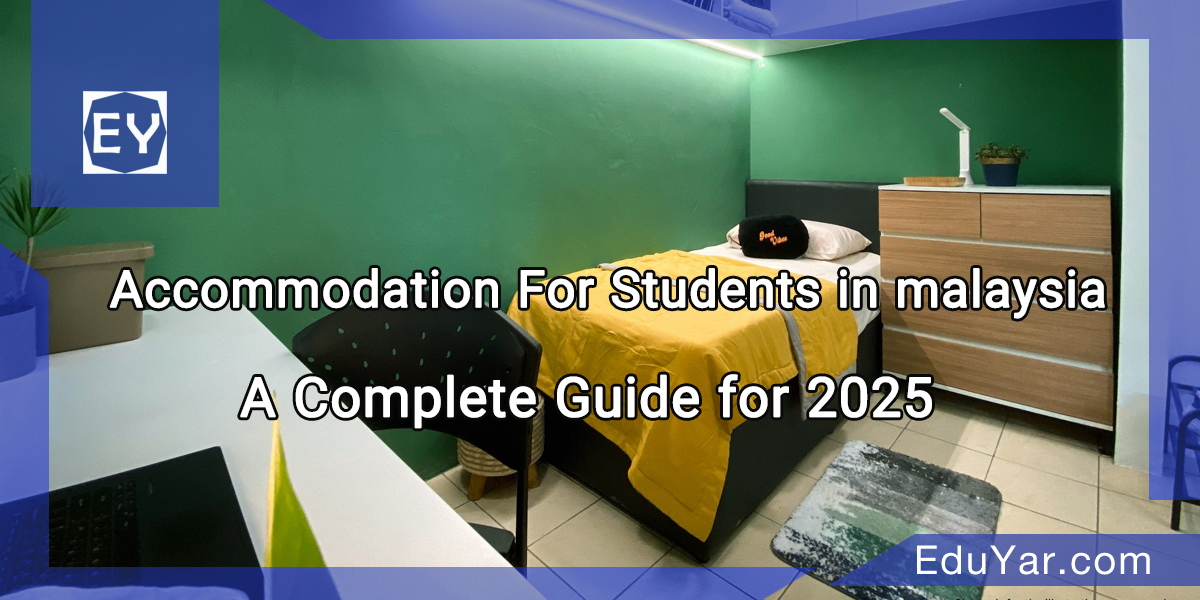
Malaysia, renowned for its rich cultural heritage, modern infrastructure, and world-class education system, has emerged as an increasingly popular destination for international students. Each year, thousands of students from around the globe are drawn to the country’s diverse academic programs, affordable tuition fees, and vibrant multicultural environment. However, beyond choosing the right academic institution, one of the most significant decisions students face is selecting suitable accommodation. This choice can greatly impact their overall experience, academic success, and personal well-being during their stay.
The landscape of student accommodation in Malaysia is as diverse as the country itself, offering a wide array of options tailored to different needs and preferences. From affordable on-campus hostels to luxurious private residences, and from immersive homestays to modern co-living spaces, students are presented with multiple avenues to find a place they can call home. Each option carries its unique advantages and challenges, making it essential for students to evaluate factors such as budget, location, facilities, and lifestyle requirements before making a decision.
In addition to the variety of housing options, Malaysia’s relatively low cost of living and strong focus on student welfare contribute to creating an attractive and supportive environment for international learners. Whether in bustling urban centers like Kuala Lumpur or quieter university towns, students can find accommodations that align with their academic and personal goals.
This article aims to provide an in-depth exploration of the various student accommodation options available in Malaysia. By highlighting their features, benefits, and potential drawbacks, it seeks to guide students in making informed choices that ensure a comfortable and enriching living experience in one of Southeast Asia’s most dynamic nations.
1. On-Campus Accommodation
On-campus accommodation is a popular choice among students, especially those new to Malaysia. Most universities in Malaysia offer dormitories, hostels, or apartments within or near the campus. These accommodations are managed by the university and are designed to provide a convenient and secure living environment for students.
Advantages:
- Proximity to Campus: Living on campus means students are just a short walk away from their classes, libraries, and other university facilities.
- Cost-Effective: On-campus housing is often more affordable compared to private rentals, as it includes utilities and basic amenities.
- Community Living: Students have the opportunity to interact with peers, participate in campus activities, and build a strong sense of community.
- Safety and Security: University accommodations typically have 24/7 security and support services, ensuring a safe environment for students.
Challenges:
- Limited Privacy: Shared rooms and communal facilities may not provide the level of privacy some students prefer.
- Availability: On-campus housing is often in high demand, and students need to apply early to secure a spot.
2. Off-Campus Accommodation
Off-campus accommodation offers students more independence and flexibility. This option includes renting apartments, houses, or rooms in private residences. Students can choose to live alone, with roommates, or with a host family.
Advantages:
- Variety of Options: Students can select from a wide range of properties, including single rooms, shared apartments, and gated condominiums.
- Cultural Immersion: Living off-campus allows students to experience local culture and interact with the community.
- Independence: Students have more control over their living arrangements, including meal preparation and daily routines.
Challenges:
- Cost: Off-campus housing can be more expensive, especially in urban areas like Kuala Lumpur.
- Transportation: Students need to consider the distance from their university and the availability of public transport.
- Safety Concerns: It is essential to choose accommodations in safe neighborhoods and verify the legitimacy of rental agreements.
3. Private Student Residences
Private student residences are purpose-built accommodations designed specifically for students. These residences are often located near universities and offer modern facilities and services.
Advantages:
- State-of-the-Art Facilities: Many private residences include amenities such as gyms, study rooms, recreational areas, and high-speed internet.
- Community Atmosphere: These residences foster a sense of community among students while providing a more upscale living experience.
- Convenience: Services like housekeeping, laundry, and maintenance are often included.
Challenges:
- Higher Costs: The premium facilities and services come at a higher price compared to other options.
- Limited Availability: These accommodations may not be available in all regions.
4. Home stays
Home stays involve living with a local host family, providing students with a unique cultural experience. This option is particularly popular among younger students or those seeking a more immersive experience.
Advantages:
- Cultural Exchange: Students can learn about Malaysian culture, traditions, and cuisine firsthand.
- Supportive Environment: Host families often provide guidance and support, making it easier for students to adapt to a new country.
- Cost-Effective: Homestays are generally affordable and include meals.
Challenges:
- Limited Independence: Students must adhere to the rules and routines of the host family.
- Compatibility: The experience largely depends on the relationship between the student and the host family.
5. Co-Living Spaces
Co-living spaces are a modern and increasingly popular option among students. These shared living spaces are designed to foster collaboration and community while providing individual rooms or pods.
Advantages:
- Affordable: Co-living spaces are often more budget-friendly than private rentals.
- Networking Opportunities: Students can connect with like-minded individuals and participate in community events.
- Flexible Terms: Many co-living spaces offer short-term leases, making them ideal for exchange students or those on internships.
Challenges:
- Shared Facilities: Common areas like kitchens and bathrooms may lack privacy.
- Limited Availability: Co-living spaces are more common in urban areas and may not be accessible in smaller towns.
6. Temporary Accommodation
For students who have not secured long-term housing before arriving in Malaysia, temporary accommodation options such as hostels, hotels, or serviced apartments are available.
Advantages:
- Flexibility: Temporary accommodations provide a short-term solution while students search for permanent housing.
- Convenience: Many options are located near universities or public transport hubs.
Challenges:
- Cost: Staying in temporary accommodations for an extended period can be expensive.
- Limited Facilities: These options may not offer the same amenities as long-term housing.
Tips for Choosing the Right Accommodation
1. Research Early: Start researching accommodation options well in advance to secure the best choice.
2. Set a Budget: Consider all costs, including rent, utilities, and transportation, when setting a budget.
3. Use University Resources: Consult the university's international office or accommodation office for recommendations and support.
4. Check Reviews: Read online reviews and seek advice from current students to make informed decisions.
5. Visit Before Committing: If possible, visit the accommodation in person or take a virtual tour before signing any agreements.
6. Prioritize Safety: Choose accommodations in safe neighborhoods and verify the legitimacy of rental agreements.